


A Look at the History of the Fashion and Clothing Industry; What Will the Future of Fashion and Clothing be in Iran?
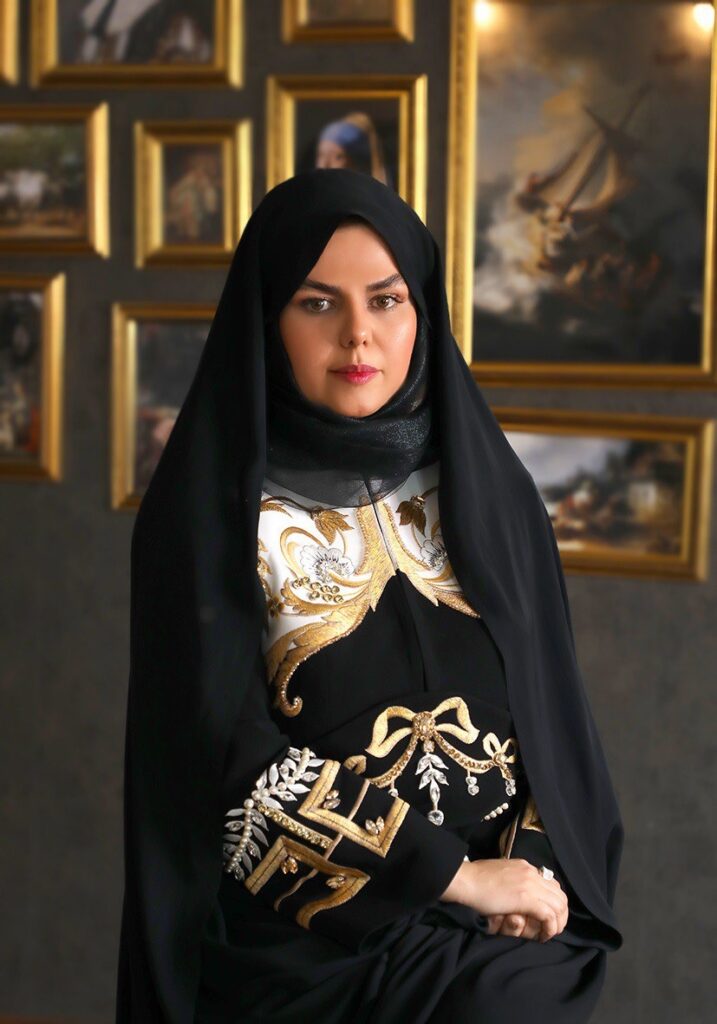
Ms. Hadis Pazouki, the CEO of the Fashion, Clothing, and Lifestyle Foundation, on the occasion of the 12th Fajr Fashion and Clothing Festival at the Sa’dabad Historical Cultural Complex
Note: The fashion and clothing industry has always been at the forefront of innovation. The technology used in this industry is constantly advancing with the progress of technology. Robots that perform all stages of sewing from start to finish, artificial intelligence algorithms predicting sewing trends, virtual reality mirrors in fitting rooms, and more are all examples of new technologies that have brought significant changes in the fashion industry.
In fact, as we all know, clothing and fashion play an important role in every country, serving as the most important tool for conveying an image of the culture and civilization of that country. For this reason, in this article, we will discuss the future of this industry.
Going Back
Fashion has always been advancing. From the invention of the sewing machine to the emergence of e-commerce technology, fashion is constantly evolving. Today, fashion changes at a faster pace than ever before, with robots sewing and cutting fabric, artificial intelligence algorithms predicting trends, and VR mirrors in fitting rooms accelerating every aspect of the fashion industry.
“Sewing robots”
The production of clothing has always been influenced by technological advancements. The sewing machine revolutionized the fashion industry in the nineteenth century, and zippers in the 1930s changed the way clothes were made. In the early 2000s, technological innovations in fabrics influenced designers’ thinking about clothing. Recently, the Italian company Corpo Nove designed a shirt woven with titanium that reacts to temperature changes. When the shirt is exposed to warm air, the fabric’s folds and creases become loose. Another product from this company is a jacket with a cooling system!
When we try to imagine what the world will be like in the next 20 years, everyone gives different answers, from flying cars to people living on Mars. But what will the future of this industry be like?
An important question about fashion
Among these, an important question is whether you have ever thought about how any brand provides the possibility of understanding and implementing seasonal trends? In this article, we will explain what fashion forecasting is, how brands predict styles, and why fashion prediction is vital for your brand, along with practical tips for your success.
In fact, with the evolution of the fashion industry, our perception of styles has also changed. The era when style forecasters traveled to fashion capitals worldwide to discover fashion trends is gone.
However, such customs are still observed, but to a very small extent, as technological advancements and online single-brand clothing stores have given consumers 24-hour access to digital marketing in the fashion industry, and as a result, the fashion prediction market and anticipated trends have also changed.
What is fashion prediction?
But how can you decide what is fashionable and what is “trendy” and what is “out of fashion”? And who determines what the chic trend is?
The answer, of course, lies behind the fashion prediction which is also known as trend forecasting.
This process researches and shapes predictions about future buying habits, which includes full monitoring of market trends and buying habits to make effective decisions about moving forward for designing new collections.
Fashion prediction includes shades, design details, colors, fabrics, and decorations. Manufacturers predict how social, cultural, or any environmental changes will affect consumer behavior in the future.
As a result, this process helps identify products and services that consumers are looking to purchase.
Fashion trend forecasting is usually done for fall/winter and spring/summer collections. Fashion forecasters also provide long-term and short-term trend predictions.
What is long-term trend forecasting?
Long-term forecasting, which covers major trends that will be executable for more than two years, resonates with macro trends that cover significant changes, such as changes in demographics, lifestyle, and the way clothes are produced and sold. This prediction can include large visual trends that determine the fashion business, such as changes in demographics, lifestyle, and how clothes are produced and sold.
Therefore, long-term forecasting requires a deep understanding of the internal workings of the fashion industry.
What is short-term trend forecasting?
Short-term forecasting relates to minor trends that change from season to season and usually focus on color, style, and the impact of current events and culture.
Fashion forecasters spend a lot of time looking at current colors, combining this knowledge with the latest products coming from fabric factories to make decisions about color and texture.
What an experienced futurist does.
A specialized forecaster uses methods and techniques that consist of qualitative analysis and interviews to unveil predictions about products and services.
They pay close attention to information related to changes in consumer interests, values, and motivations, the findings of science and technology, changes in the economic, cultural, and social sphere, strong demographic changes, and changes in the internal structures of the industry and market.
The usual process of fashion trend forecasting consists of five main stages as follows:
Research: This initial stage involves conducting a fishing trip in conjunction with in-depth research of various sources and locations to obtain fresh findings, the best ideas, and identify possible trends.
Sorting: After completing the necessary research, editing and filtering for the collected data is followed by the formulation of determinative patterns, and patterns are followed from accumulated data, samples, and images.
Analysis: In this stage, experts evaluate and examine problems, key factors, and potential outcomes of future trends.
Validation of the what, why, and how of the popularity of a specific trend and how it forms.
Forecasting: Now is the right time to predict potential trends and justify them with resources, data, and relevant facts.
Communication: After making predictions, forecasters now present their outputs, thoughts, and opinions in the form of images, stories, and…
However, due to the ubiquitous presence of technology, a seismic shift has occurred in fashion trend forecasting. Live broadcasting of social media marketing services is significantly changing the way fashion moves throughout society.
Managing fashion trends is no longer just a game for designers. Young influencers on Instagram, fashion bloggers, and street style celebrities are also considered key contributing elements.
How do brands predict fashion trends?
Typically, each brand follows a unique process of trend forecasting. For example, women’s clothing brands usually have a greater tendency to interpret minor trends throughout the year due to a larger volume of collections, compared to men’s clothing brands.
*Using internal fashion forecasters
Prominent integrated fashion giants often execute trend forecasting in-house. This process enables fashion forecasters to collaborate with their product development teams to work on creating new products.
*Hiring fashion forecasting agencies
Famous brands usually employ specialized trend forecast agencies, which work with some of the biggest global brands and retailers to search for trends at the street level and lead the way in fashion forecasting for the future.
*Collecting insights from famous fashion shows
Analyzing fashion shows, trade fairs, and getting information from magazines is an ideal way for brands and fashion agencies to predict fashion trends.
Forecasters usually conduct most of their studies at fashion shows, where they observe the most attractive looks, and then bring this information from scouting to product developers and fashion magazines. This is known as the “top-down” prediction and complements a method in which the fashion trend decreases from fashion brands to street brand stores.
*Analyzing fashion influencers
Forecasters tend to follow street style influencers and bloggers for insights into the latest trends, known as the “bottom-up” prediction, which requires close monitoring of the target market for predicting future demand for trends.
*Observing data from other industries
Small-scale or independent fashion designers usually focus on creating art, film, and nature-based mood boards to stimulate their unique collections while generally staying away from fashion trend forecasting.
What techniques are used for fashion forecasting?
A combination of the “top-down” and “bottom-up” forecasting method, mostly utilized by contemporary fashion forecasters, along with an understanding of the fashion perspective and their intuition to produce predictions about the future of fashion. Recognizing what triggers consumer style shift is considered a good tactic.
*Practical tips for predicting your brand trends
Identifying a fashion trend requires ongoing efforts to gather observations. Curiosity and a keen interest in various subjects ranging from art to design is required.
Therefore, we have gathered a few practical tips to help you predict your brand trends.
*Analyze where your customers draw inspiration from
Statistics show that people check their smartphones about 80 times a day, and average consumers check their phones every 12 minutes. In the contemporary market, mobile phones are a place where people are influenced and inspired. This means that the internet, especially social media, provides an excellent platform to identify current trends for better understanding what can be predicted sufficiently for the near future.
*Examine the psychology of your customers
As your audience is likely interacting online, it is crucial to be precise.
While marketers usually focus on knowing demographic information, it is vital to delve deeper and understand the psychological information.


